Om Namah Shivaya
Mantraॐ नमः शिवाय
Oṃ Namaḥ Śivāya
Meaning — I bow to Shiva, the auspicious and benevolent one. The five syllables are held to represent the five elements.
Recited for: Daily japa, inner purification, peace of mind
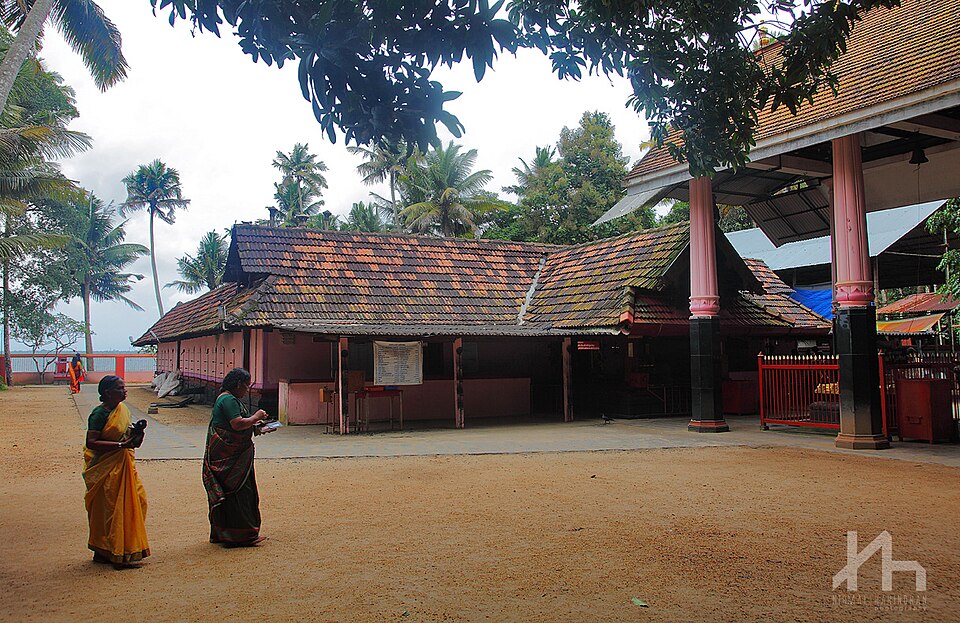
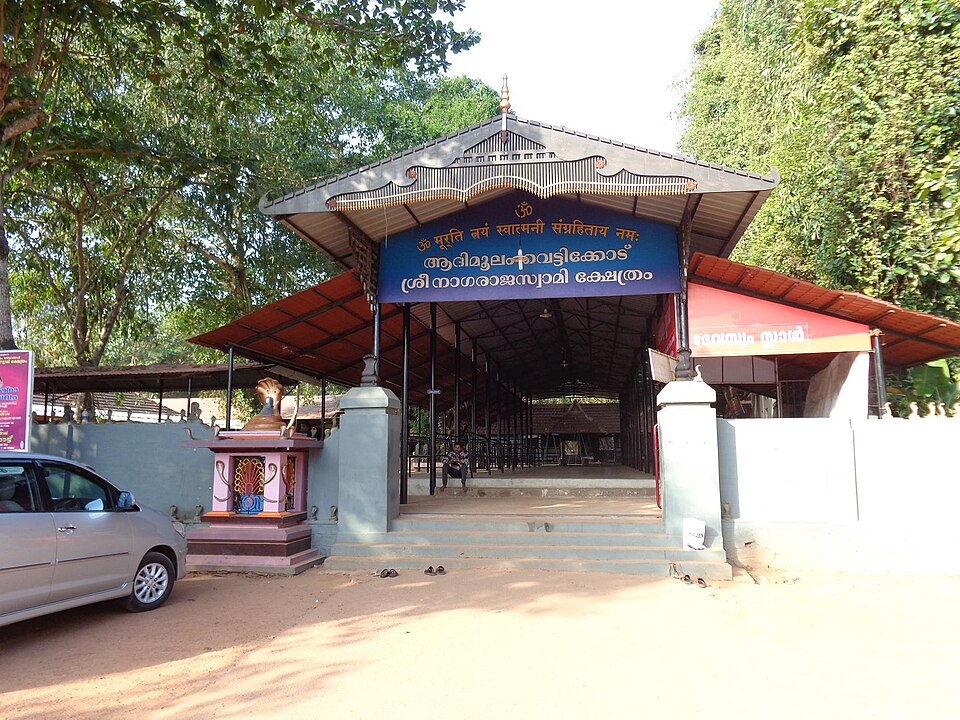
Thirumandhamkunnu Bhagavathy Temple is a Shiva temple located at Angadipuram, Kerala, India.
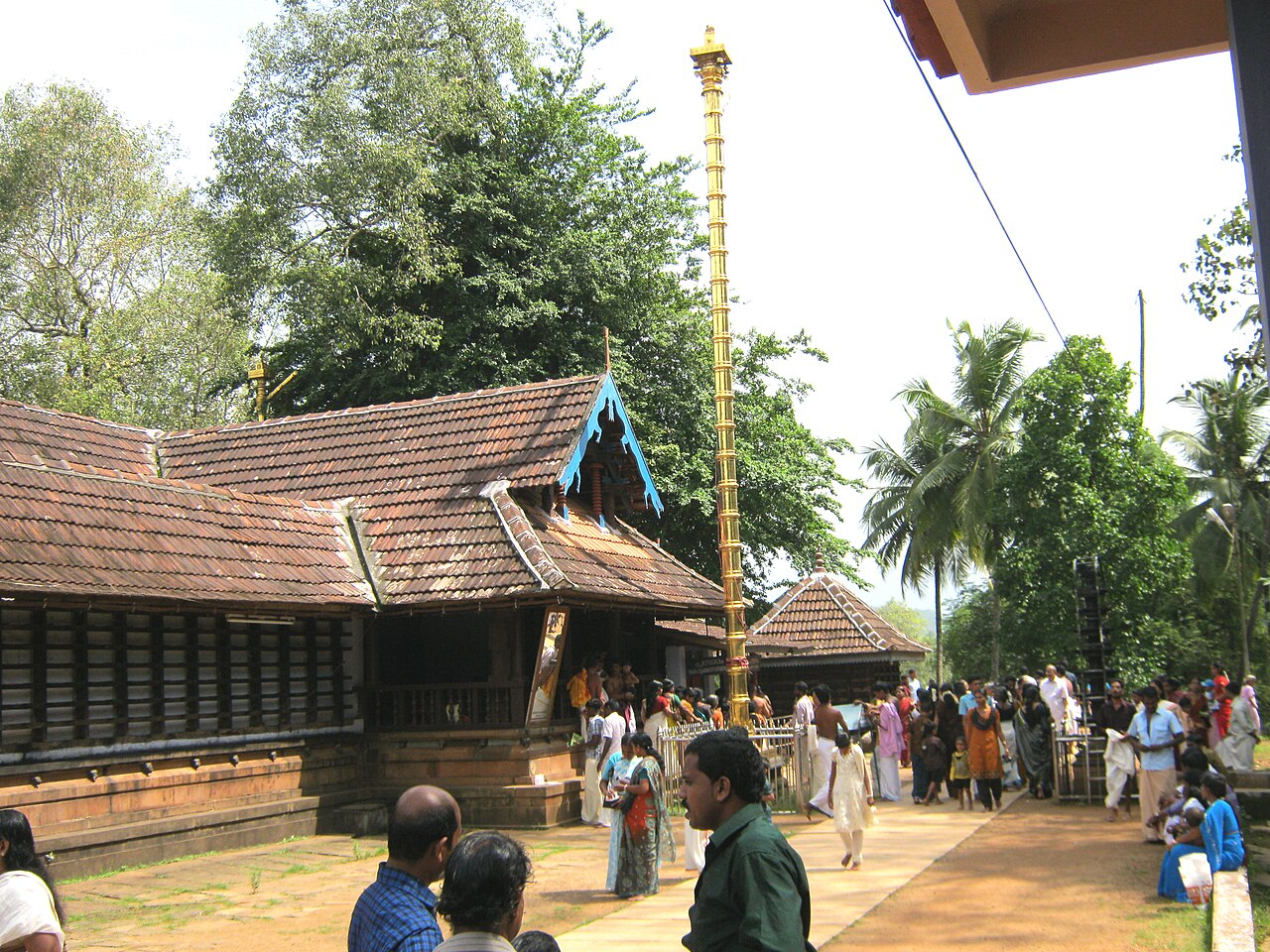
Featured images from the shrine — tap any photo to view full size.
Open the gallery →ॐ नमः शिवाय
Oṃ Namaḥ Śivāya
Meaning — I bow to Shiva, the auspicious and benevolent one. The five syllables are held to represent the five elements.
Recited for: Daily japa, inner purification, peace of mind
ॐ त्र्यम्बकं यजामहे सुगन्धिं पुष्टिवर्धनम्। उर्वारुकमिव बन्धनान्मृत्योर्मुक्षीय मामृतात्॥
Oṃ Tryambakaṃ Yajāmahe Sugandhiṃ Puṣṭivardhanam, Urvārukamiva Bandhanān Mṛtyor Mukṣīya Māmṛtāt
Meaning — We worship the three-eyed one who is fragrant and nourishes all beings. As the cucumber is freed from its vine, may we be liberated from death and not from immortality.
Recited for: Health, recovery from illness, protection from untimely death
कर्पूरगौरं करुणावतारं संसारसारं भुजगेन्द्रहारम्। सदावसन्तं हृदयारविन्दे भवं भवानीसहितं नमामि॥
Karpūragauraṃ Karuṇāvatāraṃ Saṃsārasāraṃ Bhujagendrahāram, Sadāvasantaṃ Hṛdayāravinde Bhavaṃ Bhavānīsahitaṃ Namāmi
Meaning — I bow to Shiva, white as camphor, the embodiment of compassion, wearing the king of serpents as a garland, ever dwelling with Bhavani in the lotus of the heart.
Recited for: Dhyana before Shiva worship
ॐ तत्पुरुषाय विद्महे महादेवाय धीमहि। तन्नो रुद्रः प्रचोदयात्॥
Oṃ Tatpuruṣāya Vidmahe Mahādevāya Dhīmahi, Tanno Rudraḥ Pracodayāt
Meaning — May we know the supreme person, may we meditate on Mahadeva. May Rudra illumine our minds.
Recited for: Gayatri japa, clarity and courage
त्रिदलं त्रिगुणाकारं त्रिमूर्तिर्या त्रिदैवतम्। त्र्यक्षरं यत् स्मरेन्नित्यं स ब्रह्मा स शिवः स हरिः॥
Tridalaṃ Triguṇākāraṃ Trimūrtir Yā Tridaivatam, Tryakṣaraṃ Yat Smarennityaṃ Sa Brahmā Sa Śivaḥ Sa Hariḥ
Meaning — The three-leaf bilva stands for the three gunas, the three forms and the three deities. Whoever remembers it daily attains Brahma, Shiva and Hari.
Recited for: Bilva archana during pooja
ॐ श्री भद्रकाल्यै नमः
Oṃ Śrī Bhadrakālyai Namaḥ
Meaning — I bow to the auspicious Bhadrakali, the gracious and protective mother.
Recited for: Daily japa, protection of home and family
ॐ भद्रकाल्यै विद्महे महाकाल्यै धीमहि। तन्नो काली प्रचोदयात्॥
Oṃ Bhadrakālyai Vidmahe Mahākālyai Dhīmahi, Tanno Kālī Pracodayāt
Meaning — May we know Bhadrakali, may we meditate on Mahakali. May Kali illumine our minds.
Recited for: Gayatri japa, courage
सर्वमङ्गलमाङ्गल्ये शिवे सर्वार्थसाधिके। शरण्ये त्र्यम्बके गौरि नारायणि नमोऽस्तुते॥
Sarvamaṅgalamaṅgalye Śive Sarvārthasādhike, Śaraṇye Tryambake Gauri Nārāyaṇi Namo Stute
Meaning — O auspicious one, auspiciousness itself, accomplisher of every aim, refuge of all, three-eyed Gauri and Narayani, salutations to you.
Recited for: Devi dhyana and refuge
ॐ ऐं ह्रीं श्रीं श्री भगवत्यै नमः
Oṃ Aiṃ Hrīṃ Śrīṃ Śrī Bhagavatyai Namaḥ
Meaning — A bija invocation of Bhagavathi for wisdom, abundance and protection.
Recited for: Archana and lamp offering
ॐ गं गणपतये नमः
Oṃ Gaṃ Gaṇapataye Namaḥ
Meaning — I bow to Ganapati, the lord of the ganas, with the bija of obstacle removal.
Recited for: Japa before any new venture
वक्रतुण्ड महाकाय सूर्यकोटि समप्रभ। निर्विघ्नं कुरु मे देव सर्वकार्येषु सर्वदा॥
Vakratuṇḍa Mahākāya Sūryakoṭi Samaprabha, Nirvighnaṃ Kuru Me Deva Sarvakāryeṣu Sarvadā
Meaning — O curved-trunked, mighty-bodied Lord, radiant as a million suns, make all my undertakings free of obstacles, always.
Recited for: Beginning of worship and new work
ॐ एकदन्ताय विद्महे वक्रतुण्डाय धीमहि। तन्नो दन्तिः प्रचोदयात्॥
Oṃ Ekadantāya Vidmahe Vakratuṇḍāya Dhīmahi, Tanno Dantiḥ Pracodayāt
Meaning — May we know the one-tusked Lord, may we meditate on the curved-trunked one. May the elephant-faced Lord illumine our minds.
Recited for: Gayatri japa, wisdom
प्रणम्य शिरसा देवं गौरीपुत्रं विनायकम्। भक्तावासं स्मरेन्नित्यमायुःकामार्थसिद्धये॥
Praṇamya Śirasā Devaṃ Gaurīputraṃ Vināyakam, Bhaktāvāsaṃ Smarennityam Āyuḥkāmārthasiddhaye
Meaning — Bowing with the head to the Lord, the son of Gauri, Vinayaka, the refuge of devotees, one should remember him daily for long life, fulfilment of desires and prosperity.
Recited for: Removal of troubles and obstacles
ॐ विघ्नहर्त्रे नमः
Oṃ Vighnahartre Namaḥ
Meaning — I bow to the remover of obstacles.
Recited for: Archana with durva grass and modak
शिव
Shiva is the auspicious one, the destroyer and transformer within the Trimurti. He is worshipped as the cosmic dancer Nataraja and as the serene ascetic of Mount Kailash.
Thirumandhamkunnu Temple at Angadipuram in Malappuram district was the family deity of the Valluvanad rajas. Its name and festival traditions are tied to the old kingdom and to the Mamankam era.
Legend tells of King Mandhata, who received a sacred Shiva linga from the lord himself after long penance and installed it here. The goddess enshrined at Thirumandhamkunnu is revered as the protective mother of the region, and the annual pooram is a major Valluvanad festival.
Source: Wikipedia: Thirumandhamkunnu Temple — https://en.wikipedia.org/wiki/Thirumandhamkunnu_Temple
More temple histories →Hilltop shrine, Pooram festival, and traditional Malabar temple arts.
| Pooja | Time | Notes |
|---|---|---|
| Nirmalyam | 04:30 | First darshan after the sanctum opens. |
| Usha Pooja | 06:00 | Morning worship with abhishekam. |
| Ucha Pooja | 11:30 | Midday offering. |
| Deeparadhana | 18:30 | Evening lamp ceremony. |
| Athazha Pooja | 19:30 | Final offering before the sanctum closes. |
Name chanting offering with flowers.
Bookable onlineOffering of vermilion to the goddess.
Bookable onlineContribution towards the temple community meal.
Sponsor a pooja or offering at the temple.
Support for upkeep of the temple and its precincts.