Om Namah Shivaya
Mantraॐ नमः शिवाय
Oṃ Namaḥ Śivāya
Meaning — I bow to Shiva, the auspicious and benevolent one. The five syllables are held to represent the five elements.
Recited for: Daily japa, inner purification, peace of mind
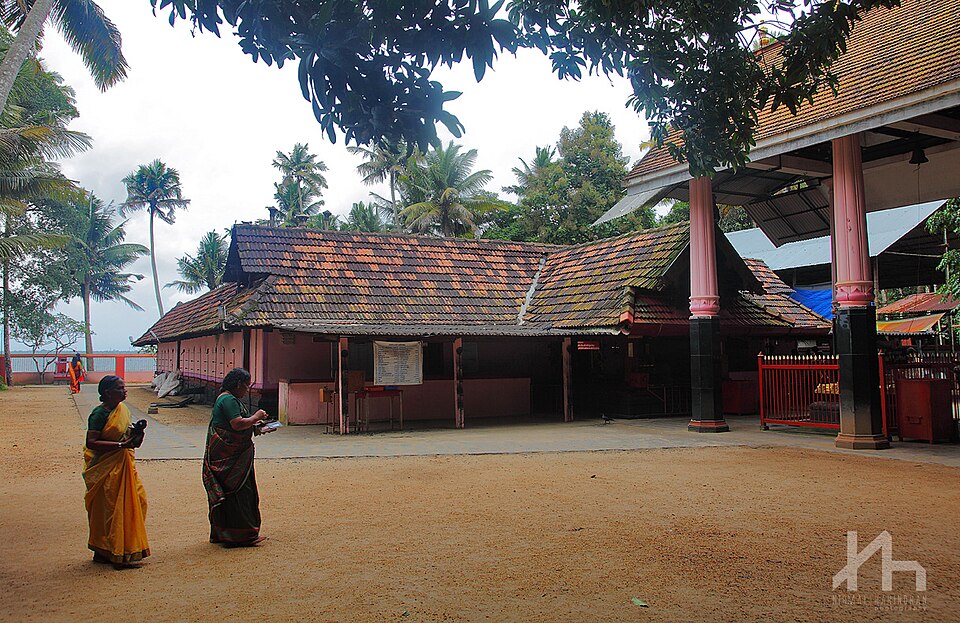
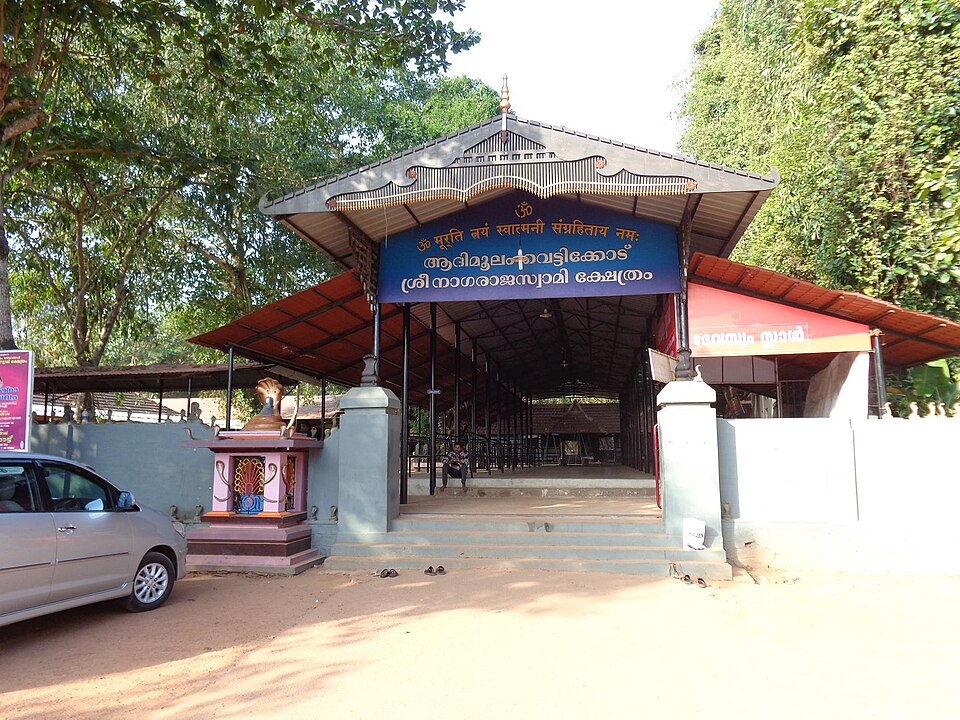
Rajarajeshwara Temple, Taliparamba is a Shiva temple located at Taliparamba, Kerala, India.
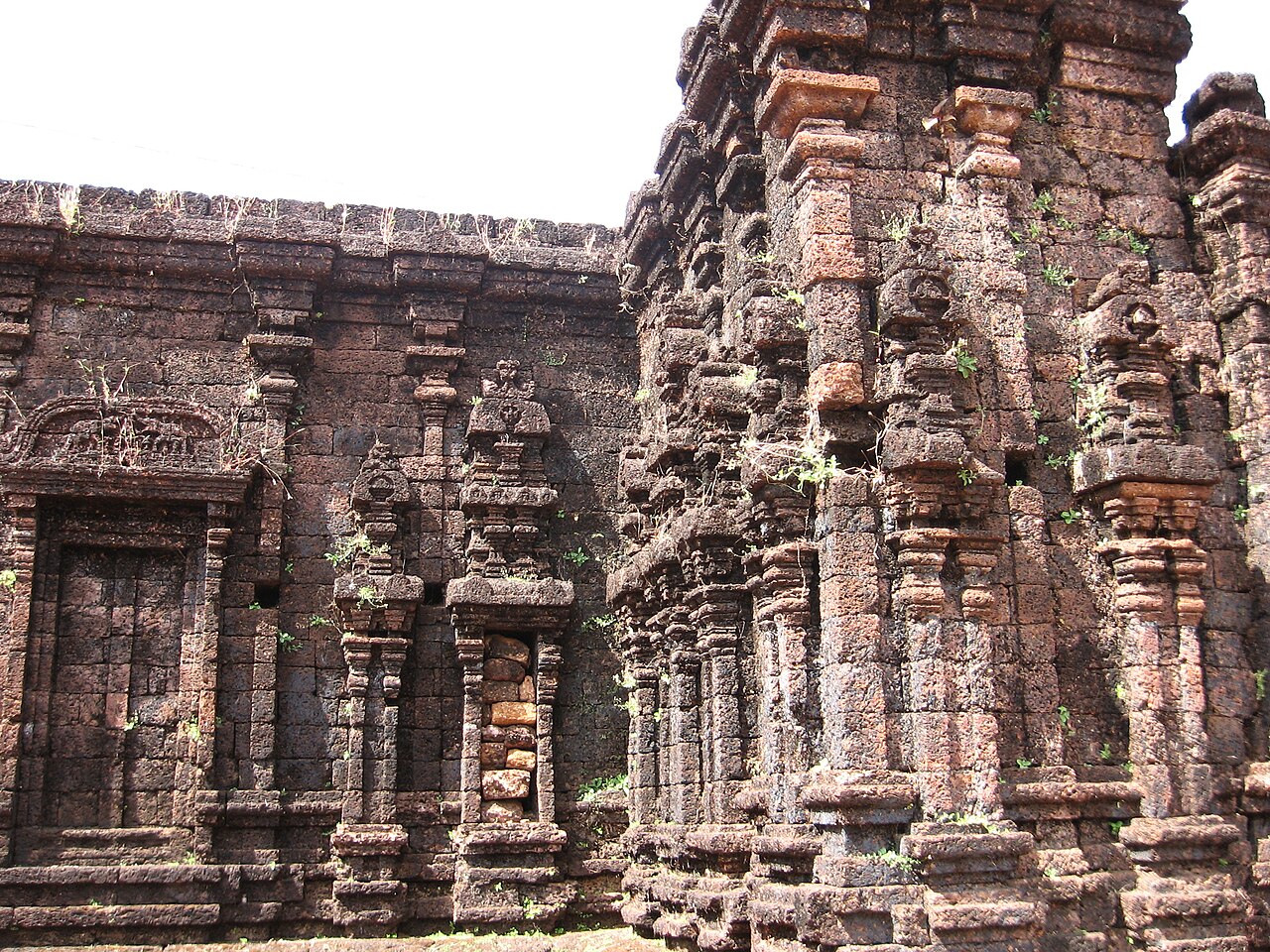
Featured images from the shrine — tap any photo to view full size.
Open the gallery →ॐ नमः शिवाय
Oṃ Namaḥ Śivāya
Meaning — I bow to Shiva, the auspicious and benevolent one. The five syllables are held to represent the five elements.
Recited for: Daily japa, inner purification, peace of mind
ॐ त्र्यम्बकं यजामहे सुगन्धिं पुष्टिवर्धनम्। उर्वारुकमिव बन्धनान्मृत्योर्मुक्षीय मामृतात्॥
Oṃ Tryambakaṃ Yajāmahe Sugandhiṃ Puṣṭivardhanam, Urvārukamiva Bandhanān Mṛtyor Mukṣīya Māmṛtāt
Meaning — We worship the three-eyed one who is fragrant and nourishes all beings. As the cucumber is freed from its vine, may we be liberated from death and not from immortality.
Recited for: Health, recovery from illness, protection from untimely death
कर्पूरगौरं करुणावतारं संसारसारं भुजगेन्द्रहारम्। सदावसन्तं हृदयारविन्दे भवं भवानीसहितं नमामि॥
Karpūragauraṃ Karuṇāvatāraṃ Saṃsārasāraṃ Bhujagendrahāram, Sadāvasantaṃ Hṛdayāravinde Bhavaṃ Bhavānīsahitaṃ Namāmi
Meaning — I bow to Shiva, white as camphor, the embodiment of compassion, wearing the king of serpents as a garland, ever dwelling with Bhavani in the lotus of the heart.
Recited for: Dhyana before Shiva worship
ॐ तत्पुरुषाय विद्महे महादेवाय धीमहि। तन्नो रुद्रः प्रचोदयात्॥
Oṃ Tatpuruṣāya Vidmahe Mahādevāya Dhīmahi, Tanno Rudraḥ Pracodayāt
Meaning — May we know the supreme person, may we meditate on Mahadeva. May Rudra illumine our minds.
Recited for: Gayatri japa, clarity and courage
त्रिदलं त्रिगुणाकारं त्रिमूर्तिर्या त्रिदैवतम्। त्र्यक्षरं यत् स्मरेन्नित्यं स ब्रह्मा स शिवः स हरिः॥
Tridalaṃ Triguṇākāraṃ Trimūrtir Yā Tridaivatam, Tryakṣaraṃ Yat Smarennityaṃ Sa Brahmā Sa Śivaḥ Sa Hariḥ
Meaning — The three-leaf bilva stands for the three gunas, the three forms and the three deities. Whoever remembers it daily attains Brahma, Shiva and Hari.
Recited for: Bilva archana during pooja
ॐ गं गणपतये नमः
Oṃ Gaṃ Gaṇapataye Namaḥ
Meaning — I bow to Ganapati, the lord of the ganas, with the bija of obstacle removal.
Recited for: Japa before any new venture
वक्रतुण्ड महाकाय सूर्यकोटि समप्रभ। निर्विघ्नं कुरु मे देव सर्वकार्येषु सर्वदा॥
Vakratuṇḍa Mahākāya Sūryakoṭi Samaprabha, Nirvighnaṃ Kuru Me Deva Sarvakāryeṣu Sarvadā
Meaning — O curved-trunked, mighty-bodied Lord, radiant as a million suns, make all my undertakings free of obstacles, always.
Recited for: Beginning of worship and new work
ॐ एकदन्ताय विद्महे वक्रतुण्डाय धीमहि। तन्नो दन्तिः प्रचोदयात्॥
Oṃ Ekadantāya Vidmahe Vakratuṇḍāya Dhīmahi, Tanno Dantiḥ Pracodayāt
Meaning — May we know the one-tusked Lord, may we meditate on the curved-trunked one. May the elephant-faced Lord illumine our minds.
Recited for: Gayatri japa, wisdom
प्रणम्य शिरसा देवं गौरीपुत्रं विनायकम्। भक्तावासं स्मरेन्नित्यमायुःकामार्थसिद्धये॥
Praṇamya Śirasā Devaṃ Gaurīputraṃ Vināyakam, Bhaktāvāsaṃ Smarennityam Āyuḥkāmārthasiddhaye
Meaning — Bowing with the head to the Lord, the son of Gauri, Vinayaka, the refuge of devotees, one should remember him daily for long life, fulfilment of desires and prosperity.
Recited for: Removal of troubles and obstacles
ॐ विघ्नहर्त्रे नमः
Oṃ Vighnahartre Namaḥ
Meaning — I bow to the remover of obstacles.
Recited for: Archana with durva grass and modak
ॐ सुब्रह्मण्याय नमः
Oṃ Subrahmaṇyāya Namaḥ
Meaning — I bow to Subrahmanya, the auspicious and ever-youthful lord.
Recited for: Daily japa, courage and wisdom
ॐ सुब्रह्मण्याय विद्महे शक्तिपाणये धीमहि। तन्नो स्कन्दः प्रचोदयात्॥
Oṃ Subrahmaṇyāya Vidmahe Śaktipāṇaye Dhīmahi, Tanno Skandaḥ Pracodayāt
Meaning — May we know Subrahmanya, may we meditate on the one who holds the spear. May Skanda illumine our minds.
Recited for: Gayatri japa, protection
ॐ शरवणभवाय नमः
Oṃ Śaravaṇabhavāya Namaḥ
Meaning — I bow to the one born in the reeds, the eternal youth of the sacred grove.
Recited for: Japa during Skanda Shasti
ॐ षण्मुखाय नमः
Oṃ Ṣaṇmukhāya Namaḥ
Meaning — I bow to the six-faced Lord who sees in all directions.
Recited for: Archana and kavadi offering
शिव
Shiva is the auspicious one, the destroyer and transformer within the Trimurti. He is worshipped as the cosmic dancer Nataraja and as the serene ascetic of Mount Kailash.
Rajarajeshwara Temple at Taliparamba in Kannur district is one of the 108 ancient Shiva temples of Kerala. Tradition credits its founding to Parashurama, with Vishwakarma as architect and Agastya performing the consecration.
The present structure and its major renovations belong to the early 11th century, when the Mushika and Kolathiri kings patronised the shrine. The temple is known for its quadrangular sanctum and tiered roof, and a tall bronze Shiva image now stands in its precincts.
Source: Wikipedia: Rajarajeshwara Temple — https://en.wikipedia.org/wiki/Rajarajeshwara_Temple
More temple histories →Ancient Shiva linga, Maha Shivaratri, and traditional temple architecture.
| Pooja | Time | Notes |
|---|---|---|
| Nirmalyam | 05:00 | First darshan after the sanctum opens. |
| Usha Pooja | 06:30 | Morning worship with abhishekam. |
| Ucha Pooja | 11:30 | Midday offering. |
| Deeparadhana | 18:30 | Evening lamp ceremony. |
| Athazha Pooja | 19:30 | Final offering before the sanctum closes. |
Name chanting offering with flowers.
Bookable onlineAbhishekam of the Shiva linga with milk, honey and sacred water.
Bookable onlineContribution towards the temple community meal.
Sponsor a pooja or offering at the temple.
Support for upkeep of the temple and its precincts.